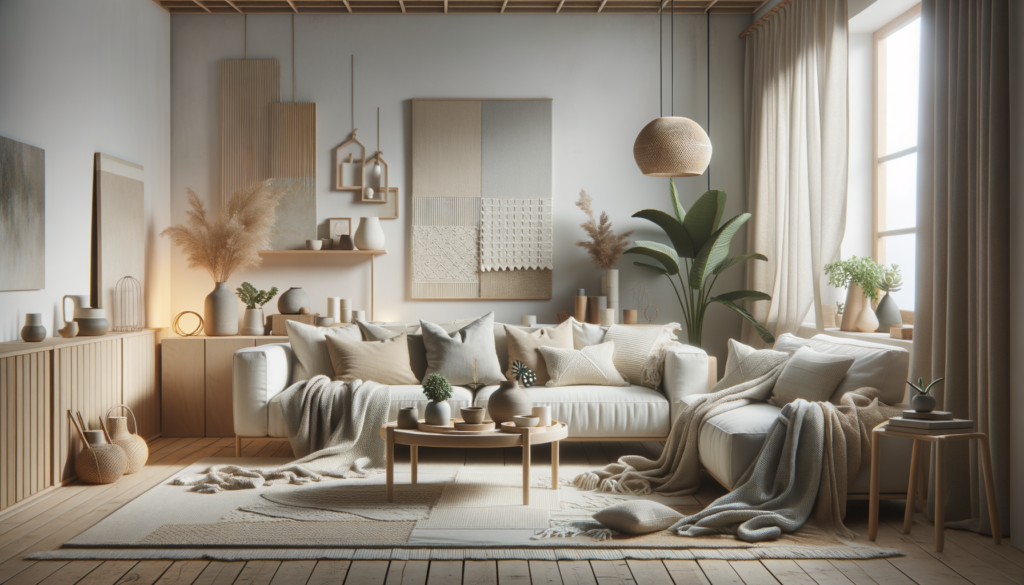
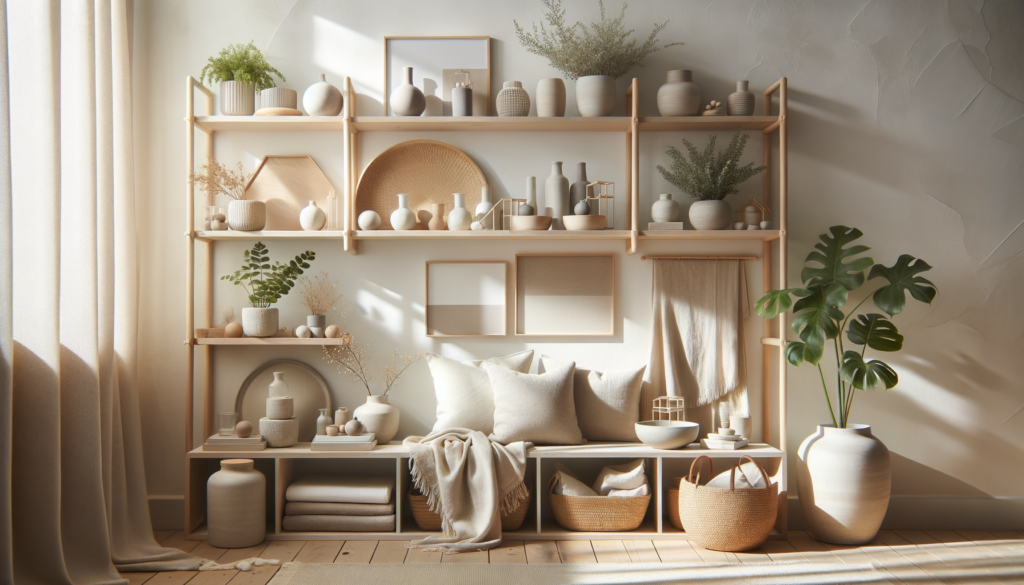
Clutter on a narrow hallway shelf can make even the smallest home feel overwhelming. The items may be crammed, and the arrangement might seem rushed.
This guide shows you what to change today to achieve a cleaner look. This works especially well in rental-friendly living rooms when storage space is limited because every square inch counts.
Neutral Shelf Styling for Everyday Spaces
A small, shared living area might have a shelf that serves many functions. The shelf may hold books, trinkets, and photos, all mixed together without a clear order. In such a room, the lack of clear grouping often makes the shelf look heavy and unsettled.
If you choose to group items by type, then you create a visual rhythm that calms the space. Unlike a busy display that overwhelms the eye, a well-planned layout draws attention to each piece. A shelf that shows a thoughtful arrangement invites calm and gentle focus.
In many homes, shelves are overlooked as mere storage. If you take the time to sort items by color or texture, then the overall scene becomes more intentional. Compared to a random stacking of objects, neutral shelf styling leverages simplicity to create balance. Place items in a way that each grouping feels distinct yet part of a whole.
How to edit a shelf effectively
A common scene in homes is a shelf that appears overloaded even if every object holds value. The display may result in a distracting jamb of varied textures and colors. When you decide to edit a shelf, you start removing items that do not add to the calm atmosphere.
If you remove excess clutter, then the remaining objects gain more visual weight. Unlike a cluttered feel where every piece competes, a limited selection lets each item speak for itself. The process of editing a shelf involves making thoughtful choices rather than random removals.
A real room in a calm apartment might show too many items that clash. If you arrange objects in groups rather than in random order, then the mix appears more intentional. Instead of letting the eye wander without focus, the edited shelf becomes a quiet stage. Try stepping back and considering which items truly deserve a place.
Calm Shelf Display Ideas for a Simple Home
Many urban homes display a jumble of souvenirs that have lost their meaning over time. A shelf in a quiet corner might sit in a room with low light, making each piece seem more pronounced. In these cases, calm shelf display ideas can transform a cluttered area into a relaxed zone.
If you sort objects based on a simple color palette, then your shelf becomes more than just storage. Unlike a haphazard arrangement, a planned display encourages a sense of order. Each little detail gains significance when grouped with similar tones and textures.
A home that relies on everyday items to decorate might initially feel busy. If you consciously decide to remove extras, then the display improves in balance. Instead of focusing on gathering many trinkets, select a few that hold personal meaning. Arrange objects in clear rows to keep the environment open and light.
Warm Minimalism in Action
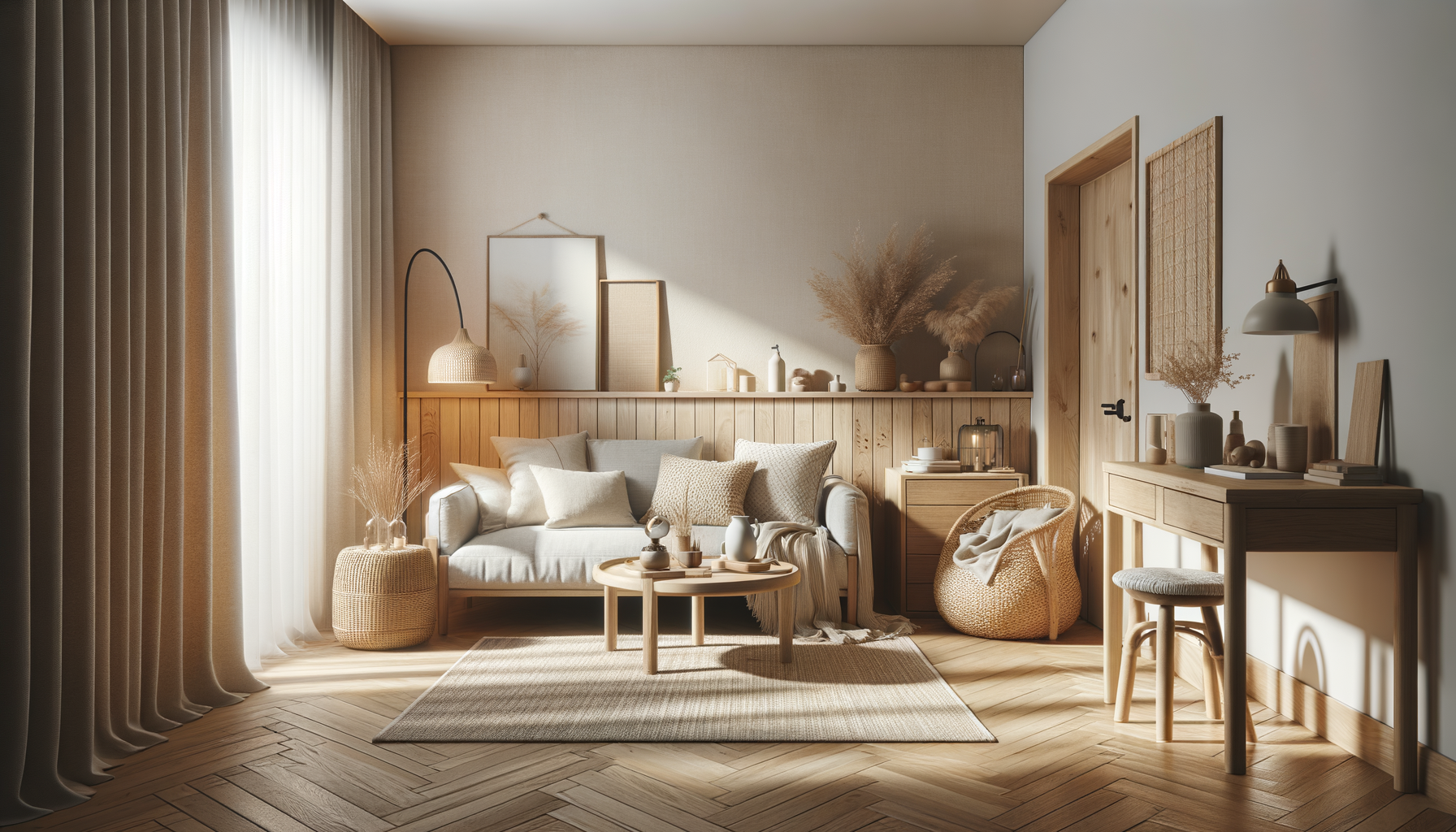
In many living rooms with a warm minimalism style, the shelf often becomes the natural extension of the room. The display might contain natural materials and soft colors that easily harmonize with the space. In a busy household, a warm minimalism approach can clear the visual noise and restore focus.
If you anchor a shelf with one or two key pieces, then the display feels cohesive and inviting. Instead of scattering a variety of items, you group those that share a similar tone. The arrangement benefits from the principle that fewer objects can create a more pronounced impact than many disjointed items.
A room that features wooden floors and textile accents might also display items that tell a story through their texture. If you consider each object’s weight and placement carefully, then the overall look appears more balanced. Compared to a scene with competing focal points, a focused selection softens the visual edges. Consider positioning a standout piece in the center to guide the eye.
Place the key items at eye level so they naturally draw attention.
How to choose focal pieces on a shelf
When a shelf shows too many items, it can lead to visual clutter that obscures the beauty of the few that matter. The challenge in many small kitchens or narrow hallways is finding the right balance among decor. In such a situation, choosing focal pieces can help clarify the display.
If you select one or two items as the center of attention, then the shelf gains a clear purpose. Unlike a display where every object vies for recognition, a curated selection anchors the overall look. The use of neutral shelf styling makes the home feel lighter and more coherent.
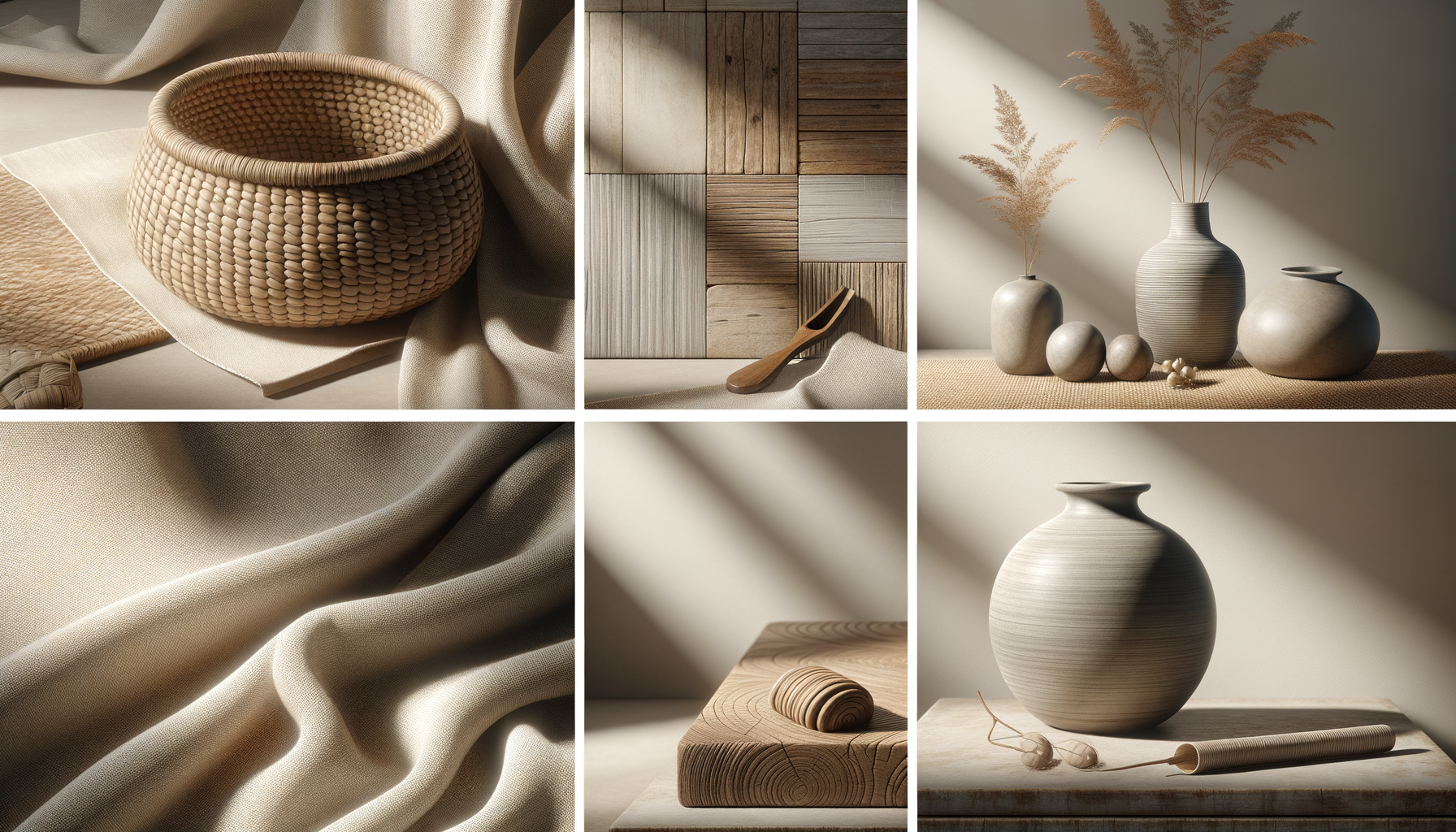
A kitchen shelf in a rented space might be filled with odds and ends. If you choose items based on complementary qualities, then your shelf becomes a statement of calm design. Instead of mixing several conflicting styles, pick those with similar shapes and textures. Anchor your arrangement by placing a key item slightly forward to draw the eye.
There comes a moment when you stand back and notice that something feels off with the shelf arrangement. Often, the scene appears unbalanced because items are crowded with no clear hierarchy. You may feel that the overall look is too busy to enjoy.
A common mistake occurs when too many varied textures and sizes fight for attention, causing a cluttered, heavy appearance. When that happens, the room loses its easy flow and feels harder to live in. The subtle effect lies in the choice of a focal element that brings purpose back. Save this idea for later.
For this kind of setting, the
Akra Recycled Glass Vase – Clear
adds quiet structure and warmth while keeping the room balanced.
Where this works best
Different rooms have different needs, and a shelf in a bedroom or a cozy reading nook often benefits from a refined approach. A modest space in a shared home might have few shelves that end up overstuffed due to limited storage. In these settings, neutral shelf styling becomes a practical solution.
If you group items by function rather than by color alone, then each shelf tells its own story in a balanced way. Unlike a disordered table that distracts from the room’s calm, a refined shelf focuses the design. The method works best when objects are arranged by purpose and value rather than by impulse.
A room with a blend of soft lighting and comfortable seating often shows the benefits of an edited shelf. If you settle on a smaller selection, then the space feels more curated and personal. Avoid placing items with clashing textures in a delicate setting; this prevents the display from feeling overly busy. Use the space as a focal point that anchors the room’s overall design.
Integrate items that tell a subtle story and support the room’s character.
Styling and placement
In smaller apartments, every shelf must account for limited space while adding personality. A shelf on a narrow hallway might combine cherished keepsakes with printed photos. If you allow the arrangement to reflect calm minimalism, then the shelf seamlessly blends into the room’s narrative. Unlike a randomly filled shelf that detracts from the space, mindful styling creates an inviting focal point.
If you experiment with spacing, then each item receives enough room to be appreciated. Compared to grouping everything together, divided sections provide a softer rhythm that complements natural materials. One effective approach is to anchor a shelf with a standout piece that sets the tone for the rest of the items.
If you decide to plan each part of your display, then the overall look becomes more harmonious. Unlike leaving placement to chance, a thought-out arrangement maximizes both function and style. If the items are arranged in layers, then the room feels thoughtfully grounded. Quick calm checklist:
- Use natural wooden accents for a warm touch.
- Keep spacing consistent without overcrowding.
- Limit the color palette to subtle hues.
Position everything so that the finished look remains inviting and practical.
Minimal Shelf Ideas for Soft Interiors
Soft interiors with gentle lighting often highlight the need for careful shelf planning. In a room with pastel walls or subtle textures, every item on the shelf should support the soft theme. If you choose a few important pieces, then the space immediately feels more connected and gentle.
If you restrict the number of objects to those that add genuine warmth, then the result is a peaceful yet engaging display. Unlike a cluttered shelf that overwhelms the serene backdrop, a simplified set enhances the room’s character. The strategy works by reinforcing the room’s calm energy through selective styling.
If you take care to balance visual weight, then each item contributes to a focused look. Compared to a scene where items clash, a pared-down display invites longer, thoughtful gazes. If you repeat a texture or color subtly, then the continuous design ties the overall look together. Arrange these ideas side by side to see a noticeable shift in the room’s mood.
Final Reflections on Shelf Display
After exploring different arrangements, it is clear that the key is to reduce distractions and highlight what matters. A shelf that once looked haphazard now speaks to the room through a clear and simple story. If you consider each object by its weight and meaning, then the shelf acts as a quiet anchor in the daily space.
If you let go of excess, then the overall effect enhances both organization and beauty. Unlike a display where chaos rules, a thoughtful selection makes it easier to appreciate your surroundings. The method works through the principle that simplicity often brings out the most natural charm in your belongings.
If you take a moment to review your current setup, then you might find that a small shift leads to a more personal and balanced view. Compared to a shelf filled with random additions, this final reflection shows that deliberate styling invites calm reflection. Embrace these ideas as daily opportunities to reframe your space.
Step back, assess, and enjoy the subtle improvement.
Explore more calm combinations inside our
Shop The Look
.