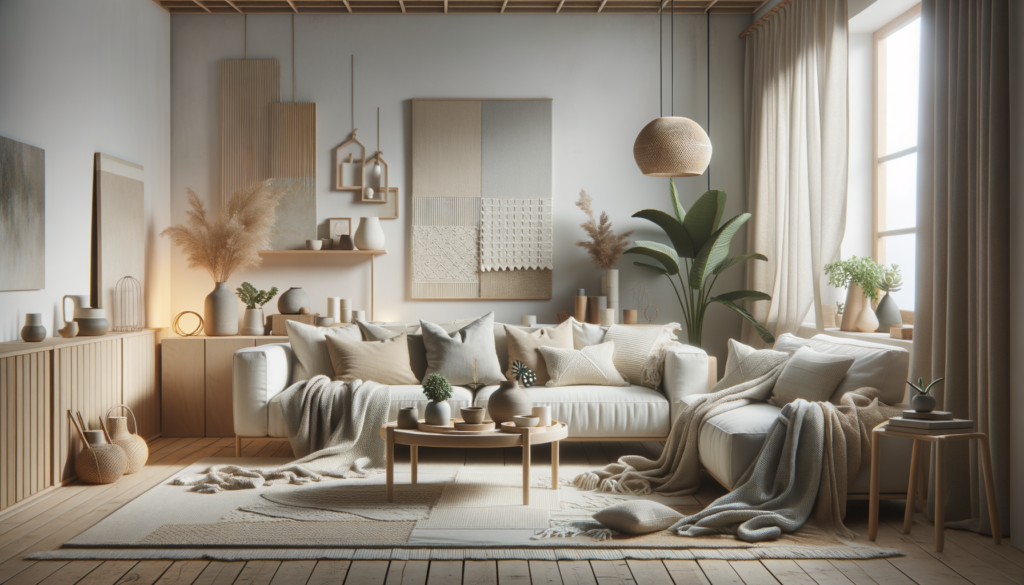
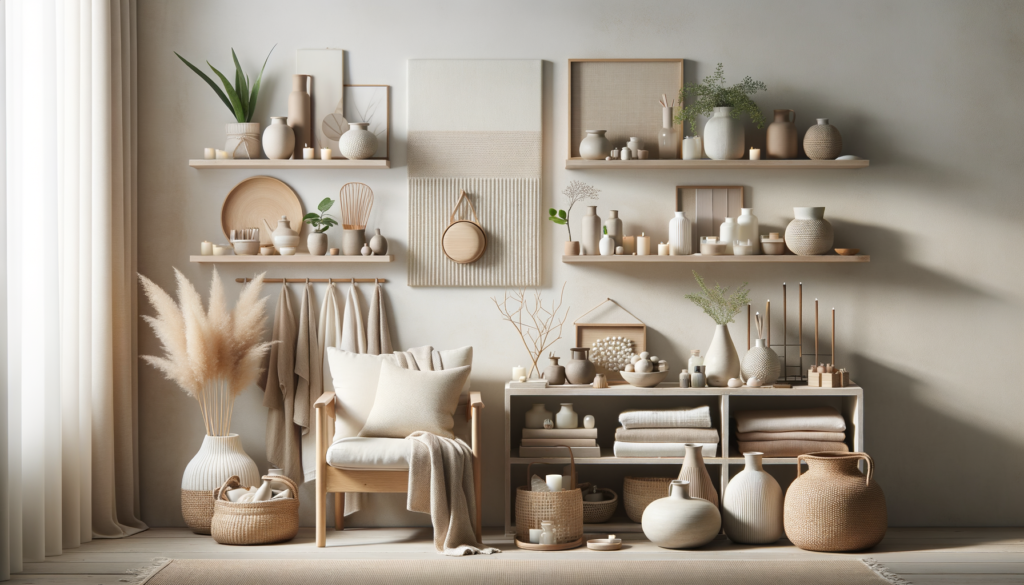
In many thoughtfully designed small apartments, the balance between form and function can be disrupted by cluttered shelves and uneven displays. Homeowners often face the frustration of visual imbalance, where too many decorative items compete for attention and create an atmosphere of tension. The narrow, rental-friendly spaces sometimes force us into a situation where every surface becomes a canvas for chaos rather than calm. This real-life struggle resonates with those who yearn for a peaceful home environment that is both practical and visually soothing.
The challenge is particularly acute when shelves become overloaded with items that lack a unifying purpose or design. A familiar scenario unfolds in a shared living space where mismatched knickknacks and overcrowded decorative objects render a once welcoming shelf into an overfamiliar battleground of clutter. The result is a tangible feeling of disarray that disrupts the intended calm of the room. Such moments prompt the need for a thoughtful approach to minimal shelf styling that truly honors the spirit of warm minimalism.
Embracing Minimal Shelf Styling
In a cozy living room with a compact shelf, the process of embracing minimal shelf styling begins with an honest appraisal of what truly brings comfort and balance. Often, a shelf can become a repository of collected memories or impulsive acquisitions that do not translate into calm visual harmony. If you find that every corner of your shelf is filled with trinkets then an adjustment is in order, as the space can instead speak to simplicity. Unlike a crowded display that overwhelms the eye, a thoughtfully curated selection immediately invites a sense of quiet balance.
In a typical household setting, one might observe that a cluttered shelf diminishes the room’s overall character, making it feel hurried and unsettled. A common scenario involves a shared space where books, mementos, and decorative accents battle for prominence, leaving little room for the eye to wander peacefully. If the layering of items continues unchecked then even a small display can feel chaotic, which detracts from the calming environment you seek. Compared to a randomly arranged display, neutral shelf styling allows each piece to breathe, contributing to a serene atmosphere.
In many cases, a living room or a study features a shelf that, despite being small, is expected to reflect a broad spectrum of personality and aesthetic values. Homeowners often face the decision of whether to fill these spaces with many small objects or to adopt a more intentional, pared-back approach. If a shelf is overburdened then the eye is forced to work harder to find a focal point, diminishing the inherent beauty of well-chosen decor. Instead of overwhelming the observer, a curated shelf that embodies neutral shelf styling ushers in an experience of calm and continuity.
Balancing Form and Function on Shelves
In a modest dining nook with limited wall space, balancing form and function on shelves is both an art and a science. A well-placed shelf is not only a canvas for aesthetics but also a practical element for everyday use. If decorative pieces are carefully chosen to echo the room’s overall palette then the shelf becomes an extension of its function, harmonizing with daily routines. Unlike disjointed displays that serve either purely decorative or purely utilitarian purposes, a balanced shelf caters to both beauty and practicality.
In one common household scenario, a small kitchen or a studio apartment may utilize open shelving to keep essential items visible and accessible. This design approach offers a continuous dialogue between storage and style, ensuring that the shelf remains a well-considered part of the daily living experience. If each item is selected with care then the shelf reflects an elevated level of intentional living that resonates with those who value subtle design details. Instead of a chaotic assortment, a balanced display guides the eye smoothly from one element to the next.
In many shared and high-traffic areas, shelves can easily become a battleground between function and aesthetic appeal. Homeowners often encounter the dilemma of how to incorporate everyday items without sacrificing the integrity of the design. If a shelf is organized with a clear purpose then each element can coexist harmoniously, accentuating both beauty and practicality. Unlike arrangements that rely solely on visual impact, balance is achieved by ensuring that every object contributes to a deliberate design narrative.
Integrating Soft Textures and Natural Materials
In a bright, airy apartment, integrating soft textures with natural materials on shelves allows a home to exude warmth and understated elegance. A common scenario involves a living space where hard surfaces meet delicate fibers, creating a tactile interplay that is both inviting and serene. If you choose elements that showcase soft textures then the shelf becomes a stage for both visual and sensory experiences that enhance your home’s character. Unlike stark or overly polished surfaces, a mix of gentle fabrics and natural finishes encourages a more lived-in and comforting atmosphere.
In a room accented by natural light, the inclusion of handmade decor or artisanal ceramics can ground the overall look and infuse the space with a quiet authenticity. A shelf in this context not only displays objects but also invites touch, encouraging moments of mindful interaction. If natural materials are given prominence then the tactile experience of your decor deepens, inviting a dialogue between texture and form. Instead of relying on mass-produced items, the use of handmade decor and organic elements creates a visual narrative that is both personal and enduring.
In settings where daylight casts soft shadows on wooden surfaces, the contrast between rugged natural materials and delicate, refined textures becomes a design asset. Homeowners may find that a shelf adorned with both a smooth ceramic bowl and a piece of woven fabric offers a balanced microcosm of the broader design philosophy. If these elements are thoughtfully integrated then the result is a harmonious interplay between texture, material, and light. Compared to a monotonous display, a diverse range of textures broadens the sensory appeal and fosters a deeper connection with the space.
Creating a Focal Point with Intentional Placement
In many cozy apartments, creating a focal point on a shelf can transform an otherwise incidental display into an intentional statement of style. The challenge often arises in a small entryway where a well-chosen object can set the tone for the rest of the space. If you identify a single piece that resonates with your overall decor then it becomes the anchor around which the rest of the shelf is styled. Unlike a scattering of interest points that competes for attention, a singular focal item brings clarity and intentionality.
Consider the scenario of a narrow hallway where decorative balance is hard to achieve; here, a focal point on the shelf can serve as a reminder of refined taste. A purposeful selection of one meaningful artifact allows other elements to fade into the background, emphasizing the main characteristic that defines the space. If you deliberately position a singular item then the overall arrangement feels more deliberate and curated. Instead of cluttered displays where nothing stands out, a centrally anchored piece elevates the room’s calm and measured rhythm.
In urban dwellings where every surface must deliver both utility and aesthetic value, the choice of a focal item is considered a design decision steeped in thoughtful discernment. Homeowners often face a dilemma where too many competing elements can lead to a loss of direction in the visual narrative. If you give priority to a standout object then the entire shelf takes on a new, refined focus. Compared to a haphazard mix of objects, intentional placement of a single focal piece lends both charm and coherence to a shelf.
Where this works best
Many compact living areas, such as a shared studio apartment or a rental-friendly home, excel when a calm, minimal shelf styling approach is applied. In these spaces, the interplay between natural light and limited storage creates an opportunity for curated displays that emphasize quality over quantity. If you adopt a measured approach then even the smallest shelf can become a beacon of thoughtful design. Unlike spaces with excessive decorative clutter, these areas embrace a lifestyle of intentional placement that speaks to warm minimalism.
In everyday application, a shelf in a small entryway or a narrow hallway can serve as the starting point for a seamless design narrative. The thoughtful selection of a few complementary objects can transform a functional element into a subtle work of art. If you choose to integrate only a select few elements then every item gains significance, making your small space feel curated and reflective. Instead of inundating the viewer with many contrasting items, this approach creates a clear story that invites moments of pause and reflection.
Avoid overloading your shelves with too many small items that compete for attention and dilute the impact of each carefully chosen object. In many cases, the mismatch of oversized items alongside too many delicate accents results in a chaotic display that undermines the calm atmosphere. If consistency in style is maintained then every element finds its rightful place and contributes to the overall balance. Instead of a mishmash of disparate pieces, a deliberate approach to shelf curation fosters a room that hums with quiet sophistication.
Styling and placement
In a bright and inviting studio apartment, the way you style and position your shelf can fundamentally redefine your living space. Thoughtful placement is particularly crucial when every surface exudes personality, yet should remain a canvas for calm expression. If you consider both visual appeal and practical needs then every decorative object contributes to an overall rhythm, causing the space to feel both intentional and lived-in. Unlike arrangements that place items haphazardly, a well-thought-out setup respects both the aesthetic and functional demands of daily life.
In a scenario where a shelf is situated in a room with limited natural light, the strategic styling and placement of each item can create a gentle interplay of shadows and highlights. Homeowners often experience the satisfaction of witnessing how each object complements its neighbors, enriching the atmosphere in subtle ways. If a consistent approach is maintained then the shelf becomes not just an organizer, but a statement of gentle order and quiet beauty. Instead of letting items compete for attention, a harmonious layout encourages a steady flow of visual calm.
Quick calm checklist:
- Use natural wood accents to enhance texture and warmth.
- Ensure balanced spacing between curated items to foster visual breathing room.
- Embrace a soft neutral palette that underpins the room’s overall tone.
- Incorporate handmade decor to add a personal, artisanal touch.
In many real-life spaces, practical styling and placement transforms a cluttered shelf into a meditative focal point that invites tired minds to rest. Homeowners who apply these principles often notice a marked improvement in both clarity and ambiance. If every object is purposefully placed then the everyday visual noise subsides, replacing chaos with understated elegance. Compared to a disordered display, a curated shelf exudes order and a quiet sense of accomplishment.
Balancing Scale and Proportion on Open Shelves
In a modern living room where space is at a premium, balancing scale and proportion on open shelves is essential to maintain a sense of calm and order. A common scenario involves a shared space where the interplay of differently sized items can either harmonize or disrupt the mood. If carefully selected objects are arranged with an eye for proportion then the visual narrative is strengthened by a balanced juxtaposition of scale and detail. Unlike inconsistent groupings that leave the eye searching, thoughtful scaling provides a structured yet organic display.
In many small apartments, homeowners have observed that erratic sizing often results in a disjointed aesthetic that tends to overwhelm rather than soothe. The mindful placement of items—each chosen for both its intrinsic beauty and its ability to complement others—ensures that the overall design feels cohesive. If every element respects a proportional relationship then the open shelf functions as a dynamic scene reflecting both subtlety and strength. Instead of layers that conflict, proportional arrangements create a continuous flow that feels deliberate and serene.
In practical terms, a shelf in a cozy study or hallway often suffers when scale is ignored and objects are placed at random. Homeowners might say that if items of varying sizes are paired without consideration then the result is an imbalanced display that distracts from the room’s serenity. If a consistent scaling principle is applied then each object supports the others in forming a unified visual story. Compared to a mismatched array, balanced scale and proportion yield a display that is both refined and welcoming.
How to Avoid Overfilling Your Shelves
In an urban apartment with a modest living area, it becomes clear that overfilling shelves is a common pitfall that compromises the calm ethos of a room. Homeowners frequently find themselves surrounded by an excess of knickknacks that slowly encroach upon