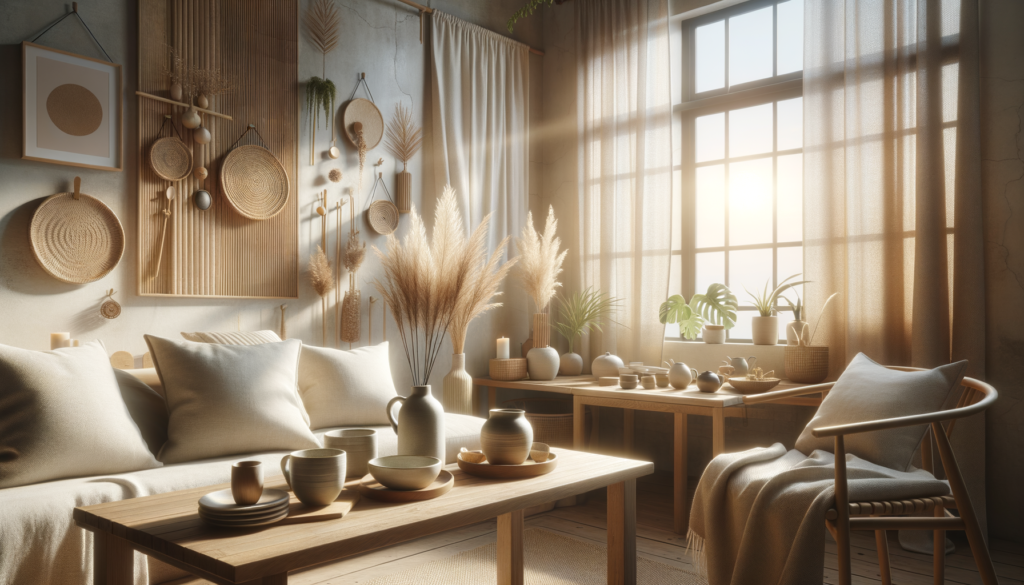
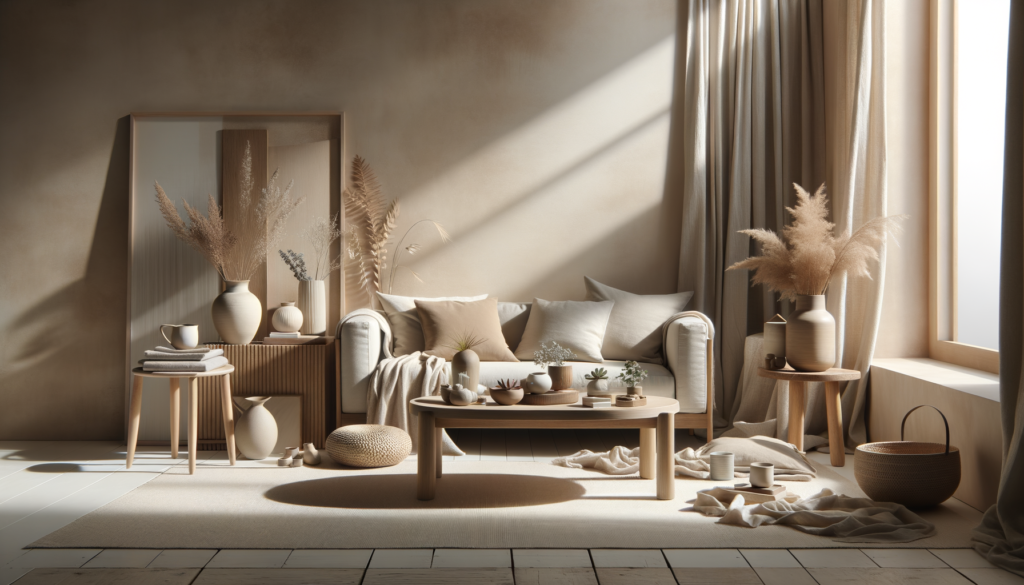
In quiet moments, we welcome the simplicity of a thoughtfully curated home. The gentle embrace of minimal design opens space for reflection and a graceful pace in daily living.
A calm retreat emerges when we allow only what matters to remain. Each object finds its purpose, and the overall atmosphere becomes a canvas for intentional living.
The Art of Curating a Minimal Collection
In a soft morning light, the process of curation begins by recognizing the value of each object. The focused act of selecting items invites a deep awareness of what surrounds us. This mindful practice encourages us to treasure personal history and subtle beauty.
The deliberate choice of few objects creates a coherent and thoughtful collection that speaks to the soul. This clarity allows a space to breathe and sets the stage for everyday calm. Why this works: focusing on quality over quantity establishes a cause-effect balance where simplicity nurtures clarity and reduces daily clutter.
When curating a collection, small details matter in creating a lived-in elegance. The principles of design assert that fewer objects create a harmonious balance, and the effect is a home that feels deliberate and serene. Place your curated items in a communal space where they naturally catch the eye during a quiet morning routine.
Conscious Choices in Living with Fewer Objects
The act of living with fewer objects invites a journey toward self-awareness and design clarity. This approach calls for reflection and resilience in letting go of what no longer serves a purposeful place. Each choice carries the calm intention to support a mindful lifestyle that values both beauty and function.
By eliminating excess, the remaining pieces gain significance through their history and design. Every object earns its place by resonating with personal memories and aesthetic values. Why this works: a streamlined environment reduces visual distractions, leading to a clearer mind and heightened focus on what truly matters in daily routines.
In practice, living with fewer objects encourages an intentional living approach where every chosen item holds a story. Homes that adopt this practice often witness a boost in well-being and a smoother flow in daily activities. Place cherished items on a dedicated shelf or table and enjoy the clarity they bring during moments of reflection.
How to Create Calm Spaces Using Minimal Objects?
The composition of calm spaces begins with a gentle removal of overwhelming details. A modest arrangement of decor and furnishings can invite tranquility into every room. Selecting minimal objects grants each piece the opportunity to contribute meaningfully to the room’s overall atmosphere.
There is a method to this simplicity, one where the balance between negative space and well-chosen items provides an air of calm. A sparse arrangement nurtures a serene environment that supports focused living. Why this works: using fewer decorative items allows the inherent character of a room to shine through, creating a cause-effect relationship that enhances both aesthetics and functionality.
When arranging a space, consider the interplay between light and form to elevate everyday moments. The practical application lies in placing meaningful objects in areas that require moments of rest and contemplation. Position a cherished vase on a well-lit side table to serve as a quiet focal point during your morning routine.
Living with Fewer Objects: A Framework for Intentional Living
Intentional living emerges when we remove the unnecessary to focus on what truly matters. This thoughtful approach embraces the principle that each object should serve a reasoned role. It encourages a reflective attitude where design and function gently converge.
Adopting a framework for living with fewer objects helps create spaces where every item resonates with a purposeful story. Intentional living is achieved when every object holds a meaningful place in our personal narrative. Why this works: by intentionally selecting objects, the process aligns our surroundings with our inner values, leading to a home that feels balanced and considered.
This method unfolds naturally in homes that value deliberate design and mindful choices. The reflective nature of this practice allows spaces to function as daily sanctuaries. Experience its benefits by arranging your most treasured items in a setting that welcomes both light and gentle conversation.
How to Choose What Earns Its Place?
Choosing what earns its place is a delicate art that balances memories, function, and beauty. This slow process starts with thoughtful reflection on the items that have shaped your life. Every chosen piece reflects a decision imbued with care and intention.
The determination to keep only the essential creates a space of quiet focus and clarity. Each object that remains is a deliberate choice, carrying both history and a refined sense of purpose. Why this works: by evaluating each object carefully, we create an environment where simplicity and function go hand in hand, leading to a reliable sense of calm in busy moments.
In daily life, the method of choosing aligns with a gradual process of assessment and mindfulness. Homes that practice this principle exhibit an organized tranquility that supports a reflective pace. Apply this principle by reviewing your belongings seasonally and dedicating space only to those pieces that resonate with your current values.
Sometimes, clutter hides subtle issues such as impersonality and visual noise that dilute the sense of calm in familiar rooms. Many homes struggle with integrating focal items because too many competing objects diffuse the intended elegance. It becomes especially noticeable in frequently used spaces where a calm atmosphere is most needed.
A gentle infusion of a statement piece can transform the tactile and visual rhythm of a room.
Explore the
Kiko Brass Frame
as a warm, textural focal point that quietly supports everyday calm.
Integrating Natural Materials for a Calm Home
The warmth of natural materials invites a tactile conversation within any room. The soft grain of wood and the delicate strength of stone encourage a slow and appreciative gaze. Such materials naturally call forth the beauty of imperfection, adding a nuanced touch to home surroundings.
Combining these textures creates a layered experience that is both organic and inviting. A connection to nature is cultivated when objects reflect the inherent patterns of the earth. Why this works: the cause is found in the tactile and visual consistency of natural materials, and the effect is a home that feels grounded and welcoming with a built-in sense of tranquility.
This reality is evident in rooms that boast a deliberate mix of wood, stone, and linen. Embracing these organic elements naturally enhances both function and beauty. Try placing a small wooden bowl or a stone artifact on a side table to complete your room’s serene narrative.
Styling and Placement Tips for a Serene Ambience
A calm ambience is achieved when every object finds a place that respects both form and function. The practical art of styling and placement draws on principles that marry the aesthetic with everyday use. This method calls for a careful consideration of space, light, and tactile details.
The process of positioning minimal objects is guided by a respect for balance and proportion. Thoughtful styling creates natural order, essential for an atmosphere that feels both serene and functional. Why this works: a structured approach to placement supports an environment where the flow of light and space invites relaxation and clear thought.
Sensitive styling can be supported by a few concrete ideas:
- Arrange books or curated objects on floating shelves for a clean visual line.
- Use a single vase on a console table to heighten the room’s focal point.
- Group similar textures together to create a rhythm that soothes the eye.
Each tip can be applied in areas such as entryways or living rooms where movement and conversation thrive.
Common Questions About Minimalism and Intentional Living
Q: What is the first step in adopting an intentional living practice? The journey begins with a gentle audit of your belongings and careful reflection on their purpose in your life. By starting with one room at a time, you can gradually build a thoughtful and minimal collection.
Q: How can living with fewer objects enhance daily calm? With fewer distractions, spaces become calming retreats where each object contributes meaningfully. This mindful reduction leads to a visual balance that supports a focused lifestyle.
Q: Is it difficult to transition to a home of minimal objects? The process takes time and reflection, yet even small shifts in curation foster a significant change. As you let go of superfluous items, you create an environment where intentionality and design flourish.
Embracing Slow Living Through Fewer Possessions
Slow living finds comfort in each deliberate action, from choosing an object to arranging it with care. The pace of life naturally decelerates when we center our environments around what truly matters. A home that relies on fewer possessions speaks to the essence of tranquility and mindfulness.
Fewer possessions are a conduit to a more reflective and measured way of living. A commitment to slow living is enriched when spaces are pared down to only the most cherished items. Why this works: reducing clutter facilitates a calm environment that encourages thoughtful reflection, leading to a noticeable improvement in daily interactions and peace of mind.
This concept materializes concretely when one approaches decorating with care, ensuring every selected object has a genuine presence. The tangible effect is a home that flows gracefully with time, where each item plays its part. Incorporate slow living by dedicating a quiet corner for reading or meditation, allowing your space to echo the calm of a purposeful life.
Want to see how these elements come together?
Visit
Shop The Look
for more calm, minimal styling ideas.